
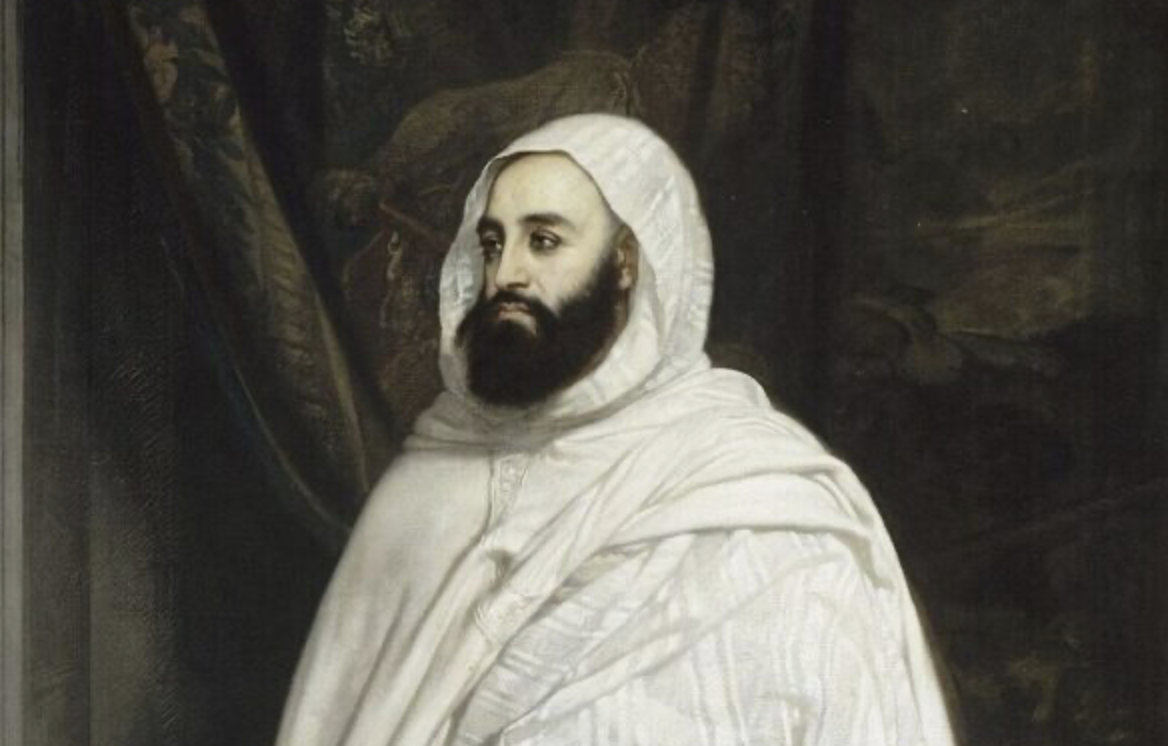
GIMHRF – English Translation of an Arabic Press Article Published in Algeria
The Global Institute for Multidisciplinary Human Rights and Research Forum (GIMHRF) is pleased to publish the following English translation of an article originally written in Arabic and published in the Algerian press by journalist Abdelhakim Guemmaz. The article reports on the third commemorative cultural journey organized by the Emir Abdelkader Circle Association in France and highlights the enduring intellectual, spiritual, and humanitarian legacy of Emir Abdelkader.
This translation is provided to make the content accessible to a wider international readership interested in intercultural dialogue, peacebuilding, human rights, historical memory, and the universal values embodied by Emir Abdelkader.
A Memorial Journey Honoring a Symbol of Peace and Global Dialogue – 13th June of 2026
The Emir Abdelkader Circle Association in Paris recently organized a cultural and memorial event entitled “In the Footsteps of Emir Abdelkader.” This was the third commemorative journey undertaken by the association, devoted to exploring major stages in the life of the founder of the modern Algerian state and one of the foremost humanist figures of modern history.
According to Rafik Temghari, President of the Emir Abdelkader Circle Association, the event was far more than a simple historical visit. Participants traveled to Amboise, where Emir Abdelkader was detained following his captivity in 1852. Temghari emphasized that, despite the hardships of exile, imprisonment, and separation from his homeland, the Emir transformed this ordeal into a profound lesson in patience, dignity, faith, and humanity, leaving behind a legacy that transcends both time and geography.
Distinguished Guests and Participants
The event brought together a number of prominent personalities from the worlds of religion, politics, diplomacy, academia, and civil society. Among the distinguished guests were Chems-Eddine Hafiz, Rector of the Grand Mosque of Paris; Ségolène Royal, former French Minister and former presidential candidate; and Her Royal Highness Princess Yasmine Briki Murat, descendant of the Murat imperial lineage.
The city of Amboise was represented by Lionel Chisson, Deputy Mayor in charge of Culture and Heritage, who welcomed the participants and reaffirmed the city’s commitment to preserving the memory of Emir Abdelkader and promoting intercultural dialogue.
Also present was Daniel Labaronne, Member of the French National Assembly for the Second Constituency of Indre-et-Loire, which includes Amboise and the Royal Château area.
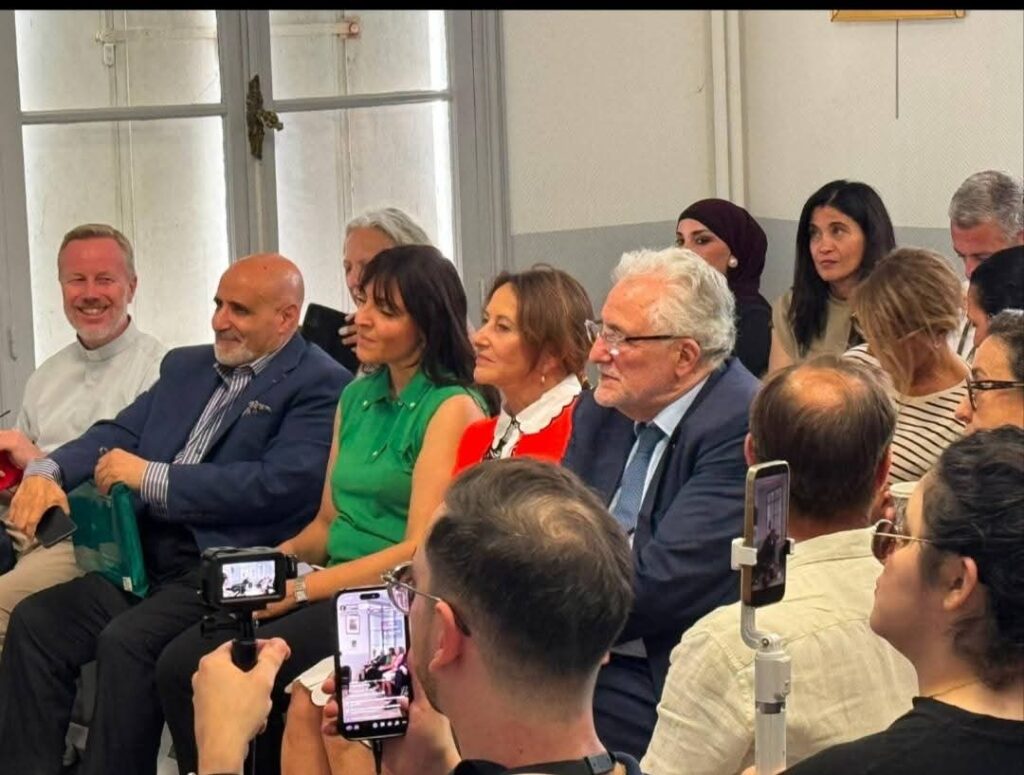
The gathering further included researchers, scholars, elected officials, representatives of cultural and religious institutions, and approximately 140 participants, reflecting the growing interest in Emir Abdelkader’s universal legacy and message of peace, dialogue, and human fraternity.
A Living and Enduring Message
The organizers explained that revisiting historical memory is not merely an exercise in nostalgia. Rather, it invites reflection on contemporary challenges and reaffirms the enduring relevance of Emir Abdelkader’s message of tolerance, justice, mutual respect, and dialogue among civilizations in a world increasingly in need of bridges of understanding between peoples and cultures.
From Paris to Amboise: A Journey into the Depths of Memory
The program included a visit to the Church of Saint-Denis, where funeral rites were held for Emir Abdelkader before the transfer of his remains to Syria. Participants also visited the Royal Château of Amboise, one of the principal sites associated with the Emir’s stay in France, where they reflected on the meanings of memory, fidelity, and historical transmission.
Intellectual Symposium on Politics, Spirituality, and International Relations
The commemorative event opened with an academic symposium entitled:
“Emir Abdelkader: Politics, Spirituality, and International Relations.”
Researchers and specialists contributed to discussions examining the Emir’s political thought, spiritual vision, and humanitarian legacy. The symposium highlighted the depth of his intellectual and moral experience as well as his universal understanding of humanity and civilization.
Speakers underscored the importance of introducing younger generations in France and beyond to Emir Abdelkader’s legacy as a model capable of fostering intercultural dialogue and strengthening relations among peoples.
A Humanism That Transcends Time
Among the contributors, Dr. Boumédiène Benyahia, university researcher, author, and international expert in Islamic studies and interreligious dialogue, offered a nuanced analysis of Emir Abdelkader’s personality and legacy. He presented the Emir as a unique historical figure who successfully combined political leadership with spiritual elevation.
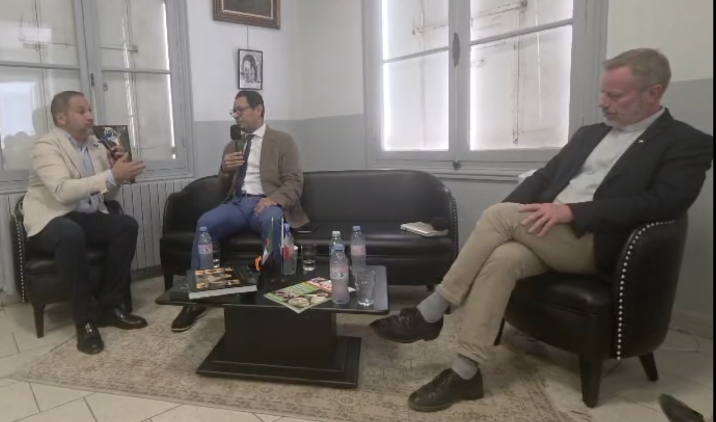
According to Dr. Benyahia’s analysis, Emir Abdelkader was not merely a military leader resisting colonial domination; he was also the architect of a comprehensive civilizational project founded upon ethics, justice, mercy, and human dignity.
Dr. Benyahia further noted that many scholars and intellectuals have regarded Emir Abdelkader as the embodiment of the accomplished human being who reconciles knowledge and action, spirituality and politics, faith and universal responsibility.
He also recalled the Emir’s renowned role in protecting thousands of Christians during the Damascus events of 1860, an initiative that earned him worldwide recognition as a symbol of humanitarian ethics, religious tolerance, and moral courage. Because of these actions, Emir Abdelkader received tributes and distinctions from numerous international leaders and institutions.
Testimonies and Dialogue on the Emir’s Global Legacy
The event also featured a series of dialogue sessions during which participants examined various dimensions of the Emir’s life, thought, and influence.
Among the contributors was Dr. Ahmed Youssef, who explored the Emir’s contribution to political mediation and diplomatic engagement. He argued that the Emir’s approaches to governance, negotiation, and diplomacy continue to offer valuable lessons for addressing contemporary global challenges.
Other presentations focused on the Emir’s relationships with the major powers of his era, particularly his interactions with European rulers and political leaders. Speakers highlighted his remarkable ability to combine firmness of principle with openness to dialogue and mutual understanding.
Discussions also addressed the political and social conditions of nineteenth-century Algeria and examined how the Emir sought to establish the foundations of a modern state under exceptionally difficult circumstances. Participants emphasized that his reformist initiatives continue to deserve renewed scholarly attention and critical evaluation.
A Commemoration That Continues for the Third Consecutive Year
For the third consecutive year, the municipality of Amboise hosted this commemorative event, reflecting the city’s commitment to preserving the memory of Emir Abdelkader. Many participants viewed his presence in Amboise as a powerful symbol linking Algeria and France through a shared history and a continuing commitment to dialogue and mutual recognition.
The organizers concluded that this commemorative journey once again demonstrated the enduring vitality of Emir Abdelkader’s legacy. His message continues to inspire all those committed to reconciliation, intercultural dialogue, respect for human dignity, and the peaceful coexistence of nations.